Shaving can be annoying on a good day. But if you have psoriasis, it can feel like a full-on strategy session. Inflamed, sensitive skin is more prone to irritation, and even a tiny nick can turn into days of redness, burning, and discomfort.
The goal isn’t just getting smooth skin. The real goal is avoiding skin trauma that could worsen symptoms or trigger new plaques.
Why shaving can trigger psoriasis
People with psoriasis are more likely to react to minor skin injury. This reaction is called the Koebner phenomenon. It happens when irritation, scratches, cuts, or other small injuries lead to a new psoriasis patch forming in that same area.
Shaving creates friction and can cause micro-cuts even when you don’t see them. For some people, that’s enough to trigger irritation or a flare, especially on areas like:
legs
underarms
bikini line
face and neck
chest or abdomen
If you’ve ever noticed a new plaque showing up after shaving or a scrape, your skin may be more prone to this response.
Is shaving “bad” if you have psoriasis?
Not necessarily. Many people with psoriasis shave regularly without major problems. The difference usually comes down to technique, product choice, timing, and how active the flare is.
If your skin is currently cracked, bleeding, intensely red, or extremely sensitive, shaving may not be worth the risk. In that situation, it’s better to pause or choose a gentler alternative until the flare calms down.
Secrets to a safer shave with psoriasis
Shaving doesn’t have to be stressful. The key is to reduce friction, minimize pressure, and support the skin barrier before and after.
1) Invest in a good razor
When your skin is already irritated, the razor matters more than usual. A dull or low-quality razor increases dragging and makes cuts more likely.
Some people do best with an electric razor because it reduces direct blade contact. The shave may not feel as close, but the tradeoff is often less irritation.
Others prefer multi-blade razors because they distribute pressure and can reduce tugging. The best choice depends on your skin’s sensitivity and how easily you flare.
2) Shave with warm water
Warm water softens hair and makes shaving easier. It also helps reduce the “pulling” sensation that often leads to irritation.
Shaving in the shower is usually the best option because the skin has time to soften properly. If you shave in the shower, a small mirror can help prevent accidental cuts.
Avoid very hot water because it can dry out the skin and make itching worse afterward.
3) Use a gentle glide product (and don’t be afraid of conditioner)
Many shaving foams contain fragrance or alcohol-based ingredients that can irritate sensitive skin. For psoriasis-prone skin, the best shave product is often the simplest one.
Some people tolerate shave gels better than foam. Others find that a plain hair conditioner gives the best slip and reduces friction.
The goal is not “more lather.” The goal is a smooth barrier between the blade and your skin.
4) Shave in the direction of hair growth
Shaving against the grain can feel smoother, but it usually increases irritation. If psoriasis flares easily in a certain area, shaving with the grain is the safer move.
You may need a second gentle pass, but fewer aggressive strokes is always better than trying to get perfect smoothness in one attempt.
5) Don’t press hard
Pressure is one of the biggest causes of nicks, cuts, and burning after shaving. Let the razor do the work.
Be especially careful around folds and sensitive zones such as:
underarms
bikini line
inner thighs
neck
If you catch yourself “scraping” to remove stubble, it’s usually a sign the blade should be replaced.
6) Moisturize immediately after shaving
After shaving, your skin barrier needs support. A good moisturizer can reduce tightness, calm redness, and lower the chance of post-shave irritation turning into a flare.
Choose fragrance-free, barrier-supporting moisturizers when possible. If your skin is dry, cracked, or thickened in areas, richer textures may feel more comfortable.
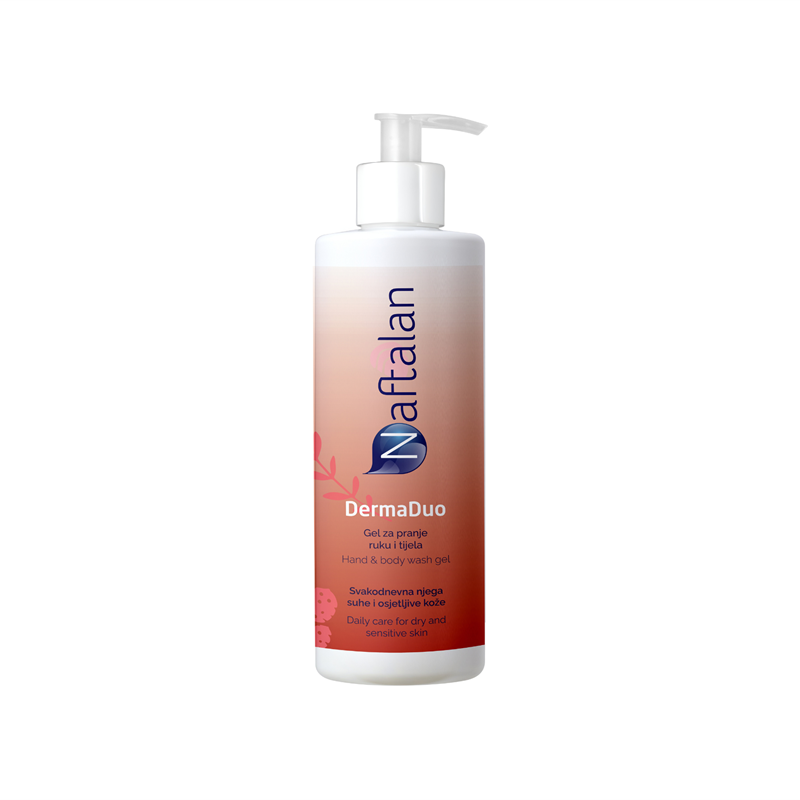
This is also the time when many people prefer using thicker, hydrating products such as urea-based creams, because they can help soften rough texture and reduce tightness.
7) Don’t shave every day if your skin doesn’t tolerate it
Daily shaving can be too much for sensitive psoriasis-prone skin. If possible, shaving every 2 to 3 days can reduce irritation significantly.
Short stubble can actually be harder to shave cleanly and may cause more friction if you’re shaving aggressively. Giving the skin time to recover between sessions often improves comfort.
8) Replace razors often
Razors sit in a damp environment and can collect bacteria. Old blades also pull hair instead of cutting cleanly, increasing the risk of inflammation and micro-cuts.
A simple rule is to replace your razor regularly depending on how often you shave. If you notice tugging, scraping, or irritation, it’s time for a fresh blade.
What to do during an active flare
If a psoriasis flare is intense in the area you want to shave, your skin is already inflamed and reactive. In that moment, shaving can cause more harm than benefit.
A safer alternative during a flare can be:
gentle trimming with scissors
electric trimming instead of close shaving
waiting until the skin calms down
If hair removal is important for comfort, work, or confidence, talk to your doctor about improving control in that region first. Better psoriasis control makes shaving much easier long-term.
The goal isn’t perfection, it’s skin stability
With psoriasis, the “smoothest possible shave” isn’t always the best outcome. The best outcome is a shave that doesn’t trigger a flare, doesn’t break the skin, and doesn’t leave you uncomfortable for the next three days.
With the right approach, shaving can stay part of your normal routine without becoming a trigger.