Psoriasis is a chronic inflammatory skin condition that commonly affects areas such as the elbows, knees, hands, feet, and scalp. When psoriasis involves the scalp, it can cause red, raised, scaly patches, itching, and discomfort. For some people, scalp psoriasis is also linked to hair shedding or temporary hair loss.
The important thing to know is this: scalp psoriasis does not usually damage the hair follicle permanently. In most cases, hair loss is temporary and improves when inflammation is controlled and the scalp barrier is restored.
Early and consistent treatment can reduce scalp irritation, minimize scratching, and lower the chance of hair shedding.
What is scalp psoriasis?
Psoriasis is an immune-mediated condition that speeds up the normal process of skin cell turnover.
Normally, skin cells develop deep within the skin and take about a month to reach the surface. Once they reach the surface, they shed naturally.
With psoriasis, this process becomes much faster. New cells rise to the surface in only a few days, and the skin cannot shed them quickly enough. This leads to a buildup of thickened skin on the surface.
That buildup forms plaques, which are the hallmark of plaque psoriasis, the most common type of psoriasis.
On the scalp, plaques may look like:
red or inflamed patches
thick scaling that can resemble dandruff
silvery-white flakes
dry, cracked areas
soreness or burning
Scalp psoriasis may appear as a few small patches or it can spread across larger areas of the scalp. It can also extend beyond the hairline and affect:
the forehead
behind the ears
the back of the neck
Can scalp psoriasis cause hair loss?
Hair loss can happen with scalp psoriasis, but it is usually not caused by the psoriasis “attacking” hair.
More commonly, hair shedding happens because of:
intense itching and repeated scratching
picking or forcibly removing scales
inflammation around hair follicles
cracking and bleeding of the scalp skin
harsh hair care routines during flares (rough brushing, strong shampoos, high heat)
In other words, hair loss is often a side effect of irritation and inflammation rather than a permanent follicle problem.
The good news is that in many cases hair regrows once the flare calms down and the scalp heals.
Symptoms of scalp psoriasis
Scalp psoriasis can look and feel different from person to person, but common symptoms include:
red patches on the scalp (mild to very inflamed)
flaking and scales that may resemble dandruff but often have a silvery appearance
dryness that can crack and bleed
itching that ranges from mild to severe
burning, soreness, or scalp pain
temporary hair shedding from scratching or scale removal
If the scalp becomes cracked or broken, there is also a risk of infection. If you notice crusting, increasing tenderness, or swollen lymph nodes in the neck, it’s important to get medical advice promptly.
Why scratching makes it worse
Scratching may feel relieving for a moment, but it often makes scalp psoriasis worse in the long run.
Scratching can:
injure the skin and increase inflammation
lead to bleeding or micro-cuts
worsen scaling and prolong flare-ups
increase the risk of infection
contribute to more hair breakage or shedding
The goal is to reduce the itch and soften buildup, not to remove plaques aggressively.
Does hair grow back after scalp psoriasis?
In most cases, yes.
Psoriasis often goes through cycles of flare-ups and remission. During remission, inflammation decreases, scaling improves, and the scalp barrier becomes stronger. Many people notice that hair density improves again once symptoms are controlled.
If hair loss continues for a long time, becomes patchy, or worsens rapidly, it’s worth discussing with a dermatologist to rule out other causes such as:
fungal scalp infection
alopecia areata
stress-related shedding (telogen effluvium)
hormonal or nutritional factors
How to treat scalp psoriasis and protect your hair
Managing scalp psoriasis usually requires a combination of medical care and scalp-friendly habits.
During active symptoms, the most helpful habits include:
seek medical advice early rather than waiting for the flare to worsen
avoid scratching or picking
shampoo gently and avoid harsh scrubbing
comb scales carefully rather than forcefully removing them
apply treatment to the scalp skin, not only to the hair
let hair dry naturally or use low heat instead of strong blow-drying
Choosing the right shampoo
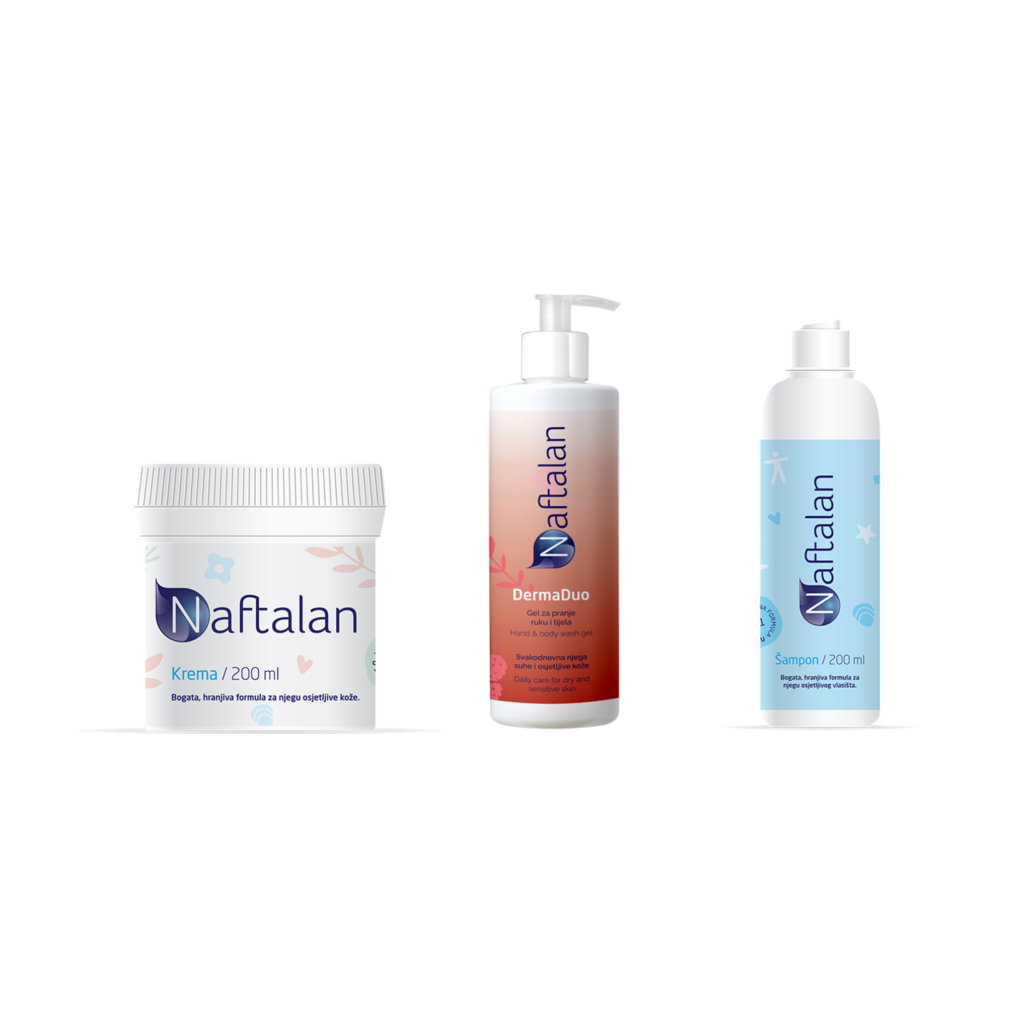
Shampoo choice matters because the scalp is already sensitive during flares. A scalp-friendly shampoo should support comfort, reduce irritation, and help clean the scalp without aggressive drying.
Some people prefer psoriasis-specific shampoos designed for frequent use, especially when the scalp is flaky, itchy, or reactive.
Scalp care routine support
Many people find it helpful to combine regular cleansing with a routine that supports hydration and comfort.
A common approach is:
apply an oil-based scalp product to soften plaques and reduce tightness
allow time for the scalp to absorb it
wash gently with a scalp-friendly shampoo afterward
This type of routine can be especially helpful for people whose main problem is itch plus scaling.
Lifestyle habits that may reduce scalp flares
Scalp psoriasis is often influenced by overall lifestyle stressors and inflammation patterns. Helpful habits may include:
avoiding smoking
limiting alcohol intake (especially if you notice flare patterns)
reducing stress where possible
maintaining a healthy body weight
protecting the scalp from harsh cold weather
monitoring skin injuries such as insect bites, cuts, or scratches
informing your doctor about psoriasis before starting new medications
Even small improvements in routine and consistency can make scalp psoriasis easier to manage.
When to see a doctor
It’s a good idea to consult a dermatologist if:
itching is severe or disrupts sleep
you have bleeding, crusting, or signs of infection
hair loss becomes noticeable, rapid, or patchy
symptoms don’t improve with basic routine changes
you suspect you may have more than one scalp condition