Psoriasis is a chronic inflammatory skin condition with no single permanent cure. It often moves in cycles, flaring up for weeks or months and then calming down for a period of time. While treatments can help manage symptoms, daily habits also matter, especially when it comes to dryness, itching, and scaling.
One of the most common struggles people have with psoriasis is dealing with visible flakes and thick scale. It’s uncomfortable, it can be embarrassing, and it often triggers the urge to pick. But is removing scales actually helpful, or does it make things worse?
What are psoriasis scales?
Psoriasis is an immune-mediated condition that speeds up the skin’s renewal process. Normally, skin cells take around 3 to 4 weeks to mature and shed naturally. With psoriasis, that cycle can speed up dramatically, sometimes down to only a few days.
Because the skin cells reach the surface too quickly, they build up and form thick plaques. These plaques often appear as:
red, inflamed patches
silvery-white scaling
rough texture
flakes that shed onto clothing, bedding, or furniture
itching and irritation
Scaling looks different from person to person. For some, it’s a small patch on an elbow. For others, it may affect larger areas such as the scalp, legs, or back. The size can vary, but the discomfort and frustration often feel the same.
Is it safe to remove psoriasis scales?
In most cases, aggressively removing scales is not recommended. The biggest risk is pulling off healthy skin underneath the scale. This can cause:
pain or burning
bleeding and cracking
worsening inflammation
increased sensitivity
a higher risk of infection
Picking can also trigger the Koebner phenomenon, where new psoriasis lesions develop in areas of skin trauma. That means that scratching or tearing plaques may actually enlarge the affected area over time.
If you’ve ever removed a scale and noticed raw skin beneath it, that’s a clear sign the skin was not ready for it. At that stage, the focus should shift to soothing and healing, not exfoliating.
The real goal: soften the scale, don’t force it
A helpful way to think about psoriasis scale is this:
Don’t fight it directly. Soften it and let it release naturally.
Thick scale is often a sign of active inflammation and a disrupted skin barrier. The best long-term strategy is to reduce inflammation and support the skin’s recovery. When psoriasis is better controlled, scale becomes thinner, less stubborn, and easier to manage.
What helps reduce scaling safely?
There are several options that can make scales less visible and less uncomfortable without damaging the skin.
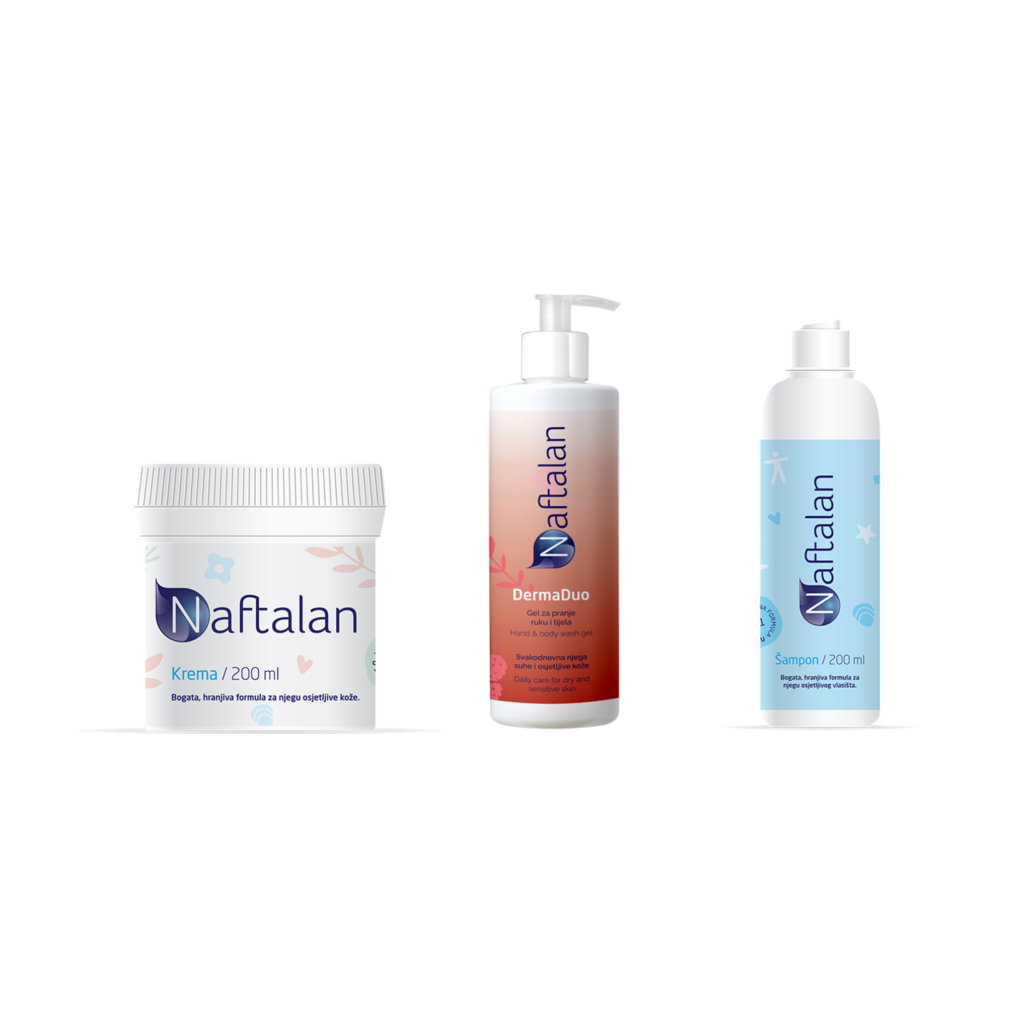
Moisturizers
Moisturizing is one of the most underrated psoriasis habits, but it can make a real difference. Regular use helps reduce dryness, improves comfort, and can make scaling look less dramatic.
Look for richer textures if your plaques are thick or cracked. Moisturizers are especially useful:
after showering
before bed
in winter or dry weather
after any bathing or soaking routine
Consistency matters more than the brand.
Gentle exfoliators (when appropriate)
Over-the-counter keratolytic products can help loosen scale in mild to moderate cases. These usually contain ingredients such as salicylic acid or urea.
The key is to use them carefully. If the skin is actively inflamed, cracked, or bleeding, exfoliation can sting and worsen irritation. In those cases, focus on moisturizers and barrier repair first.
If a dermatologist recommends it, prescription-strength options may be used in more stubborn plaques.
Scalp care: psoriasis shampoo and gentle combing
Scalp psoriasis can be frustrating because flakes get trapped in the hair. A psoriasis-friendly shampoo used regularly can help reduce buildup and itching.
A practical approach is:
work shampoo into the scalp gently with fingertips
leave it on for a few minutes before rinsing
avoid harsh scratching with nails
After washing, some people use a fine-tooth comb to lift loose flakes. The key word is loose. If the scale doesn’t lift easily, don’t force it.
Coal tar
Coal tar is an older but still widely used option in psoriasis care, especially for the scalp. It may help reduce itching and visible scaling for some people.
Coal tar products can have a strong scent and may stain fabrics, so they’re not everyone’s first choice, but they remain useful for certain routines when tolerated.
OTC corticosteroids (short-term use only)
Topical steroids can reduce inflammation and slow down excessive skin cell turnover. This often improves scaling, redness, and itching quickly.
However, steroids are not ideal for long-term unsupervised use because they can thin the skin and cause rebound flares when overused. If you use them, follow medical guidance and avoid applying them for extended periods unless your doctor has a specific plan.
Warm baths (a simple, effective routine)
Warm baths can help soften plaques and make skin feel calmer. This is one of the most comfortable ways to reduce the tight, itchy feeling without damaging the surface.
A safe routine looks like this:
warm water (not hot)
10 to 15 minutes maximum
optional: Dead Sea salt or Epsom salt if tolerated
pat skin dry gently, don’t rub
apply moisturizer immediately afterward
This method supports scale softening while keeping the skin barrier protected.
What not to do if you want fewer scales
If your goal is smoother skin and fewer flakes, these are common mistakes worth avoiding:
scratching plaques with nails
peeling scale when the skin underneath is still attached
using harsh scrubs on inflamed plaques
taking long, very hot showers that dry skin further
skipping moisturizer after bathing
These habits usually create more irritation, more scaling, and more discomfort.
When to speak with a dermatologist
If you notice frequent bleeding, painful cracking, signs of infection, or rapidly worsening plaques, it’s time to get medical support. Persistent thick scaling may also require stronger topical plans, prescription keratolytics, phototherapy, or systemic therapy depending on severity.
Managing scale becomes much easier when the underlying inflammation is controlled.