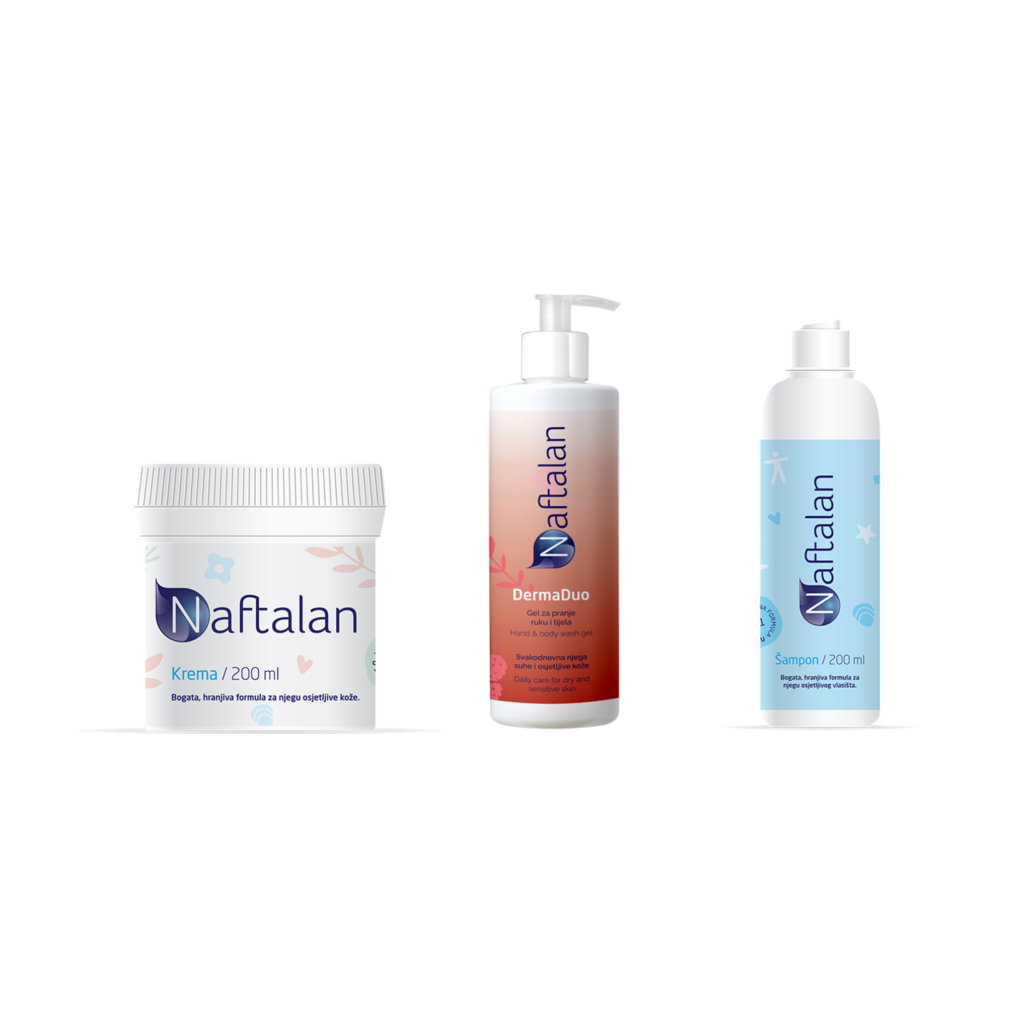
When managing psoriasis, prescription treatments are often only one part of the routine. Many people also rely on everyday products like shampoo, body wash, moisturizers, and scalp care formulas to stay comfortable between flare-ups.
The problem is that “beauty products” aren’t always psoriasis-friendly. An ingredient that feels great on normal skin can be too harsh for inflamed plaques or a sensitive scalp. That’s why reading labels matters. With psoriasis, small details can make a big difference.
Some ingredients can help soften scale, reduce itch, and support the skin barrier. Others may trigger irritation, dryness, and even worsen redness. And even among gentle products, it may take a little trial and error to find what works best for your skin.
Below is a practical breakdown of common beauty and skincare ingredients, including what they’re used for and how psoriasis-prone skin may react.
Salicylic acid (scale softening and exfoliation)
Salicylic acid is one of the best-known ingredients for managing psoriasis scaling. It is used in many shampoos, creams, ointments, and body treatments because it helps loosen thick plaques by gently breaking down scale on the surface.
When used correctly, salicylic acid can help:
soften thick plaque buildup
reduce flaking
make other treatments absorb more effectively
However, salicylic acid can also irritate sensitive skin if overused. Leaving it on too long or using a high concentration daily may cause stinging or dryness.
For scalp products specifically, apply it to the scalp rather than the hair lengths. Some salicylic acid shampoos may contribute to hair breakage if used too aggressively, especially on already fragile hair.
Tea tree oil (potentially soothing, often irritating)
Tea tree oil is popular in scalp care because it is often associated with antimicrobial and soothing properties. Some people feel it helps with itch and irritation, while others develop redness or allergic reactions.
The challenge with tea tree oil is that it can be unpredictable. It’s a common irritant for sensitive skin, and psoriasis-prone skin is often reactive.
If you want to try it, a patch test is essential, and low-concentration formulas are usually safer than pure essential oil.
Sulfates (often a “worst ingredient” for sensitive scalp)
Sulfates are cleansing agents commonly found in shampoos because they create that strong foamy lather many people expect. The issue is that sulfates can be drying and irritating, especially for scalp psoriasis.
If your scalp feels tight, itchy, or inflamed after washing, switching to a sulfate-free shampoo may help.
Common sulfates to watch for include:
sodium lauryl sulfate (SLS)
sodium laureth sulfate (SLES)
ammonium lauryl sulfate
Sulfate-free does not guarantee a perfect match, but it’s often a good starting point for psoriasis-prone scalps.
Coal tar (classic ingredient with real benefits)
Coal tar has been used in dermatology for decades and remains a widely recognized option for psoriasis, especially scalp psoriasis. It may help reduce scaling and itch in some people.
Coal tar can be effective, but it’s not always easy to love. It may:
smell strong
stain light fabrics
increase sun sensitivity in treated areas
If you use coal tar, patch-test first and consider sun protection for exposed skin.
Refined forms such as liquor carbonis detergens (LCD) may have less odor, but effectiveness can vary depending on the product.
Zinc (often helpful, especially in shampoos)
Zinc, especially zinc pyrithione, is frequently used in scalp products and some skincare formulas. It is commonly found in anti-dandruff shampoos and may help with irritation and visible flaking.
Some studies and clinical experience suggest zinc-based topical products can be supportive for localized symptoms, particularly when scalp discomfort overlaps with flaking and sensitivity.
Argan oil (hydration-friendly, limited psoriasis-specific evidence)
Argan oil is widely used in skincare and hair care because it contains fatty acids and antioxidants that support softness and hydration.
While there isn’t strong clinical evidence proving argan oil treats psoriasis, many people find it useful as a gentle moisturizing ingredient, especially when the skin barrier is dry or stressed.
If your psoriasis reacts badly to heavy perfumes or harsh actives, argan-based moisturizers may be a calming option.
Shea butter (one of the best barrier-supporting ingredients)
Shea butter is a great ingredient for psoriasis-prone skin because it is thick, rich, and protective. Psoriasis often involves extreme dryness, so heavier moisturizers usually work better than light lotions.
Shea butter products can help:
reduce tightness
support barrier repair
improve rough texture
make plaques feel less “cracked”
For many people, the thicker the moisturizer, the better, especially in winter or during flares.
Anti-itch ingredients (useful, but sometimes irritating)
Several ingredients are used for itch relief. Some are approved for this purpose and may provide short-term comfort, including:
calamine
hydrocortisone (low-strength steroid)
camphor
diphenhydramine HCl
benzocaine
menthol
These can help reduce itch sensations, but some may also dry out the skin or cause irritation if overused. It’s best to use them carefully and avoid applying them repeatedly over large areas without guidance.
Fragrance and alcohol (two common triggers)
Fragrance is one of the most common reasons skincare causes irritation. Even products labeled “unscented” may still contain masking fragrance chemicals.
Alcohol can also be a problem because it dries the skin and can sting on sensitive areas. If you frequently feel burning after applying skincare, check for alcohol-based formulas.
A safer direction for psoriasis-prone skin is:
fragrance-free products
minimal ingredient lists
barrier-focused moisturizers
Calendula oil (gentle support for sensitive skin)
Calendula oil is derived from marigold flowers and is often used in sensitive skin formulations. It is commonly described as soothing and supportive, especially for irritated or reactive skin.
Many people tolerate calendula well, and it’s often included in moisturizers designed for dryness and redness.
As with all natural oils, tolerance is individual, so patch-testing is still recommended.
How to build a psoriasis-friendly routine (without guessing)
If you want fewer flare-ups from skincare, the easiest strategy is to reduce variables.
A practical approach is:
choose one gentle cleanser
use one heavy moisturizer consistently
add one active ingredient at a time (like salicylic acid for scale)
patch test new products on a small area first
avoid frequent switching, unless irritation happens
For scalp routines, many people do best with a gentle daily shampoo and a targeted treatment shampoo used a few times per week depending on symptoms. If your scalp is very dry and sensitive, oil-based scalp support may also be considered as part of a comfort routine.
Final note: your skin decides what is “best”
Two people can use the same ingredient and get totally different results. That’s normal with psoriasis. What matters is building a routine that keeps your skin calm, hydrated, and protected, while avoiding ingredients that trigger dryness or inflammation for you.
If you feel stuck, a dermatologist can help you choose products based on your psoriasis type, skin sensitivity, and treatment plan.